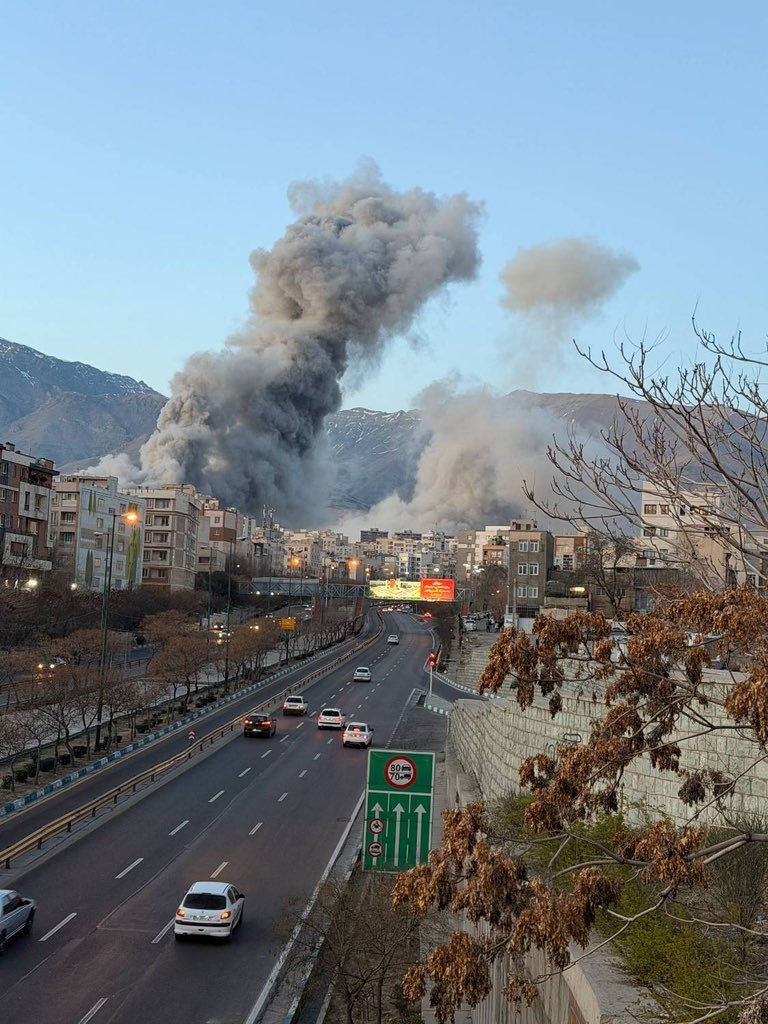
Israel Targets Tehran: Unpacking the Attack on Iran's Security Hubs
The geopolitical landscape of the Middle East has once again been shaken, following a confirmed large-scale aerial assault by Israel on a critical military complex situated in the heart of Iran’s capital, Tehran. This audacious operation, described by the Israeli military as targeting the main headquarters of all Iranian security organizations, represents a significant escalation in the long-standing shadow war between the two regional adversaries. The reverberations of this
angriff teheran militärkomplex are not confined to the immediate vicinity but extend across the region and beyond, posing profound questions about future stability and the potential for a broader conflict.
The very act of striking such a sensitive target within the Iranian capital signals a dramatic shift in tactics and a bold demonstration of Israel’s perceived reach and resolve. For years, the two nations have engaged in a covert struggle, characterized by cyberattacks, proxy conflicts, and assassinations. However, an overt military strike on this scale against Iran’s central security infrastructure marks a dangerous new chapter, compelling both observers and policymakers to scrutinize the motives behind the attack and its inevitable consequences. This article delves into the specifics of the strike, explores the intricate web of geopolitical implications, and offers insights into what this means for regional and global security.
The Precision Strike on Iran's Security Apparatus
According to statements from the Israeli army, the aerial bombardment targeted a pivotal military complex in Tehran. What makes this particular operation so impactful is the nature of the facilities housed within the targeted complex. It was reportedly home to the principal headquarters of Iran’s most powerful security and intelligence entities, including the Islamic Revolutionary Guard Corps (IRGC), the main intelligence service, and the Basij Resistance Forces. The IRGC, a highly influential and formidable military, political, and economic force within Iran, is not only responsible for the nation's external defense but also plays a crucial role in internal security and projecting Iranian influence across the Middle East through various proxy groups. The Basij militias, on the other hand, are a volunteer paramilitary organization instrumental in enforcing domestic ideological conformity and suppressing dissent, often operating with considerable brutality.
The Israeli military emphasized that staff responsible for the country's internal security, including those involved in what it termed the "suppression of the Iranian population," were present at the site during the "large-scale attack." This specific detail highlights a potential dual objective behind the strike: not only to degrade Iran's military and intelligence capabilities but also to send a potent message regarding its internal security apparatus. By hitting the nerve center of Iran’s security architecture, Israel has directly challenged Iran’s sovereign control and its ability to maintain domestic order and project power both internally and externally. This
angriff teheran militärkomplex signifies a direct confrontational approach, moving beyond the traditional boundaries of their long-standing animosity. The audaciousness of the strike, hitting deeply within enemy territory at the heart of its command structure, underscores Israel's commitment to countering what it perceives as an existential threat from the Islamic Republic. For more detailed information on the specific targets and their significance, you can refer to
Israel Confirms Strike on Tehran Military Complex: IRGC HQs Targeted.
Unpacking the Geopolitical Chessboard: Motives and Context
The decision by Israel to launch such a high-stakes operation is rooted in a complex interplay of strategic calculations, perceived threats, and regional dynamics. Understanding these factors is crucial to grasping the potential trajectory of the conflict.
Israel's Strategic Calculus
Israel has consistently viewed Iran as its primary regional adversary, citing Tehran's nuclear ambitions, its development of ballistic missiles, and its extensive network of proxy forces (such as Hezbollah in Lebanon, various militias in Syria and Iraq, and Houthi rebels in Yemen) as direct threats to its security. The IRGC, in particular, is seen as the architect and executor of many of these destabilizing activities. By targeting the IRGC's headquarters, Israel aims to:
- Degrade Capabilities: Disrupt the command and control structure of Iran's security apparatus, potentially hindering its ability to orchestrate regional operations or develop advanced weaponry.
- Deterrence: Send a clear message to Tehran that Israel possesses the capability and willingness to strike high-value targets within Iran, aiming to deter further aggression or advancements in its nuclear program.
- Internal Pressure: Potentially exacerbate internal tensions within Iran by demonstrating the regime's vulnerability, especially given the explicit mention of targeting those involved in "suppression."
- Preemptive Action: Potentially act on intelligence regarding an imminent threat, though specifics are rarely disclosed.
This type of action is often a calculated risk, weighing the potential benefits of weakening an adversary against the risks of escalation.
Iran's Vulnerability and Response
The strike on the
angriff teheran militärkomplex exposes a significant vulnerability in Iran's defense posture, particularly its air defense systems around the capital. For a country that prides itself on its regional deterrence and resilience, a successful deep strike on its core security infrastructure is a profound blow to its prestige and a challenge to its narrative of strength. Iran's response will be critical and could take several forms:
- Retaliation: Direct military retaliation against Israel, potentially involving missile strikes or drone attacks, or indirect retaliation through its regional proxies.
- Heightened Security: A review and strengthening of its air defense systems and security protocols.
- Diplomatic Offensive: Engaging international bodies to condemn the Israeli aggression and rally support.
- Internal Consolidation: A possible crackdown on internal dissent, framing external threats as a reason for national unity.
The nature and scale of Iran's response will dictate the immediate future of the regional conflict. Any miscalculation could rapidly escalate the situation beyond current parameters. For more context on the broader implications of such an attack, consider reading
Tehran Under Fire: Israel's Attack on Iran's Security Apparatus.
Regional Ramifications
The Middle East is a complex tapestry of alliances and rivalries. An Israeli strike inside Iran inevitably sends ripples throughout the region:
* **Kurdish Forces:** Reports of Kurdish forces preparing for potential conflict with Tehran, as mentioned in some initial newsblogs, suggest a possible opportunistic element. Increased instability could embolden minority groups or regional rivals to pursue their own agendas, further fragmenting the region.
* **Proxy Conflicts:** Expect an intensification of activity from Iran-backed militias across the region, potentially leading to increased attacks on Israeli or American targets in Syria, Iraq, or through Hezbollah in Lebanon.
* **Oil Markets:** Any significant escalation could directly impact global oil prices and supply chains, given the Strait of Hormuz’s crucial role in international energy trade.
* **International Reactions:** Global powers, including the United States, Europe, Russia, and China, will be closely monitoring the situation. International calls for de-escalation are likely, but the efficacy of such calls in curbing further conflict remains uncertain. The initial news of evacuation flights for German nationals signals a broader international concern and preparedness for potential instability.
Beyond the Headlines: Implications for Global Security
The strike on Tehran's military complex is more than just a localized event; it carries profound implications for international law, global security frameworks, and the broader world order.
*
Escalation Risk: The most immediate concern is the risk of an uncontained escalation. Direct military confrontations between state actors, especially those with significant military capabilities, can quickly spiral out of control, drawing in regional and global powers. The delicate balance of power in the Middle East is inherently fragile, and an incident of this magnitude can shatter existing norms of deterrence.
*
Nuclear Ambitions: This attack might paradoxically push Iran to accelerate its nuclear program, viewing it as the ultimate deterrent against future strikes. Conversely, it could also be seen as a strong signal to Tehran about the international community’s resolve against its nuclear development.
*
Cyber Warfare and Hybrid Threats: While the strike was conventional, the broader conflict between Israel and Iran heavily features cyber warfare. Expect an intensification of cyberattacks on critical infrastructure from both sides, adding another layer of complexity and potential disruption.
*
International Diplomacy: The incident puts immense pressure on diplomatic efforts. The United Nations Security Council, along with key global players, will likely be engaged in urgent discussions to prevent a full-blown war. However, the deep-seated animosity and lack of trust between the involved parties make diplomatic breakthroughs exceptionally challenging.
Practical Insights and Advice:
For individuals, businesses, and policymakers navigating this fraught environment, several practical considerations emerge:
1.
Stay Informed: Reliable, fact-checked news sources are crucial. Differentiate between official statements, analyses, and speculative reports. The initial reports of this
angriff teheran militärkomplex came through various channels, and cross-referencing is key.
2.
Travel Advisories: For those with interests or plans in the Middle East, closely monitor travel advisories issued by your respective governments. Be prepared for potential disruptions, heightened security, or even evacuation orders, as seen with the German evacuation flight to Frankfurt.
3.
Business Continuity: Companies operating in or with ties to the Middle East should review and update their risk assessment and business continuity plans. This includes supply chain resilience, cybersecurity measures, and contingency plans for personnel.
4.
Policy Engagement: Policymakers globally need to maintain open channels of communication and explore all diplomatic avenues to de-escalate tensions. Supporting international bodies in mediation efforts is more critical than ever.
5.
Critical Thinking: Recognize that both sides will present narratives designed to bolster their position. Developing a nuanced understanding requires critical analysis of information and an awareness of underlying biases.
Conclusion
The Israeli attack on the military complex in Tehran, housing the command centers of Iran's elite security organizations, marks a dangerous escalation in the protracted conflict between Israel and Iran. This
angriff teheran militärkomplex represents not just a physical strike but a powerful symbolic challenge to Iran's sovereignty and regional standing. The immediate aftermath is characterized by heightened tensions, fears of retaliation, and intense diplomatic maneuvering. While the full extent of the damage and, crucially, Iran's response remain to be seen, this event undeniably reshapes the strategic landscape of the Middle East. The international community watches with bated breath, hoping that restraint and diplomatic initiatives can avert a catastrophic regional war, even as the shadow of conflict looms larger than ever before. The path forward is fraught with uncertainty, demanding careful navigation from all involved parties to prevent a further unraveling of stability in an already volatile region.